

Common Asphalt Shingle Roofing Services and How to Ensure Quality Work
Asphalt shingle roofing is one of the most widely chosen systems for residential properties across the United States due to its affordability, accessibility, and strong overall performance. To get the most out of a roofing investment, homeowners must understand the key asphalt shingle roofing services available—from installation to repair, replacement, and long-term maintenance. Knowing what these services include helps ensure durable results and avoid costly mistakes. This guide condenses the most important elements of proper installation, upkeep, inspection, and contractor selection so homeowners can expect reliable quality throughout the lifespan of their roof.
Understanding Asphalt Shingles
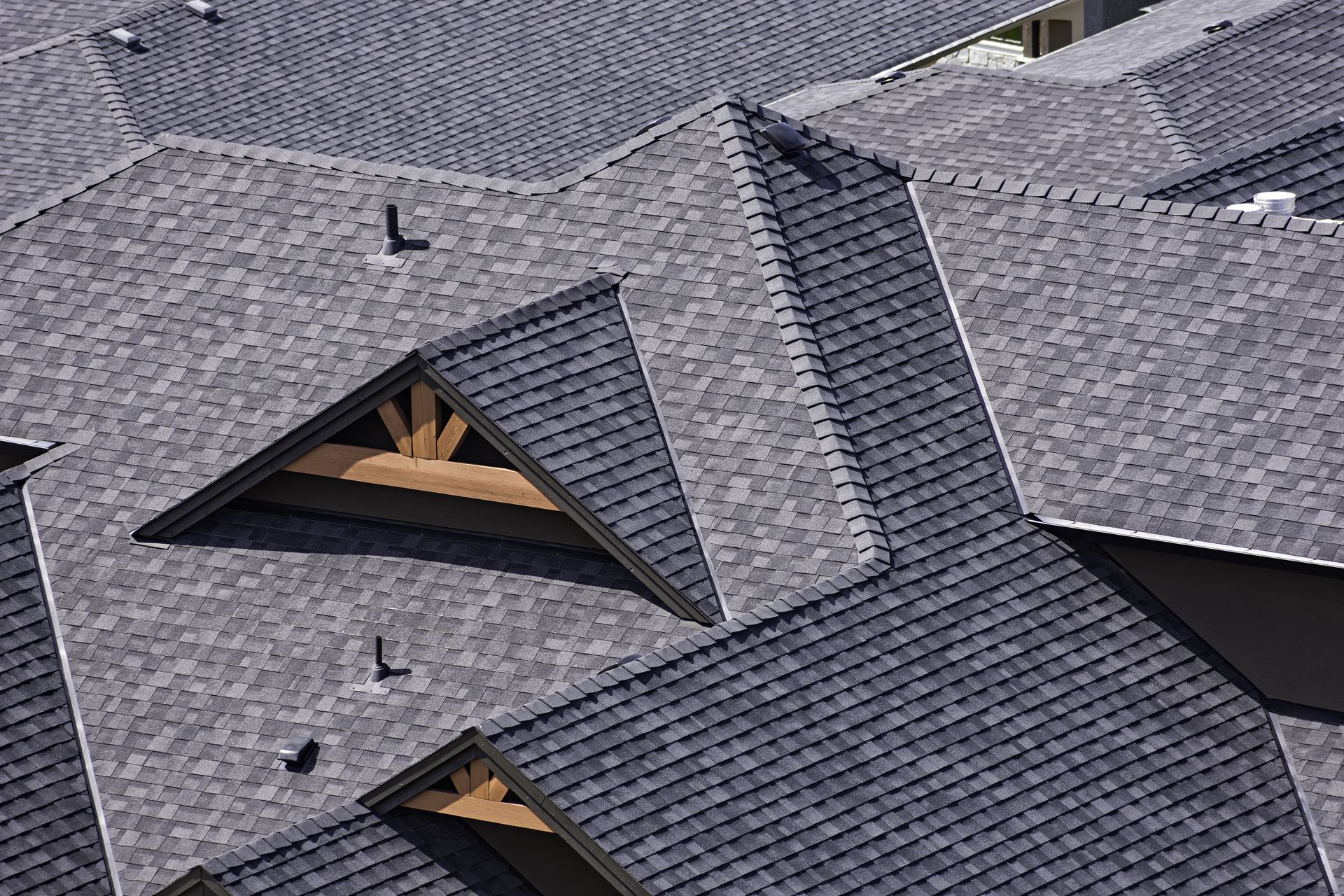
Asphalt shingles come in three main categories—3-tab, architectural, and premium. Each offers unique advantages in appearance, cost, and durability, allowing homeowners to align product choice with budget and desired lifespan. Architectural shingles remain the most popular due to their dimensional look, wind resistance, and overall value. Asphalt shingles remain attractive for cost efficiency and ease of installation, giving homeowners a visually versatile option without structural reinforcement. A wide range of colors and styles allows roofing to complement traditional, modern, or custom home aesthetics. While asphalt shingles have many advantages, they may not last as long as higher-end materials like metal or slate. In regions exposed to extreme weather, shingles may require more frequent upkeep, and color fading is possible over time. Industry standards—such as ASTM specifications on granule retention and wind resistance—help ensure product quality. Innovative reflective shingles improve energy efficiency, and recycled-material shingles support eco-friendly construction trends, proving asphalt products continue evolving to meet modern expectations.
As homeowners consider which shingle type best suits their needs, it is also important to evaluate local climate influences and long-term value. Homes in areas with high humidity or heavy UV exposure benefit from shingles specifically engineered to withstand accelerated weathering, while regions prone to wind or hail may require impact-rated or reinforced products. Proper ventilation and underlayment selection further enhance performance, helping shingles reach their full lifespan. By pairing the right shingle style with climate-appropriate features, homeowners can make a confident, informed decision that maximizes durability, curb appeal, and long-term return on investment.
Installation and Planning Essentials
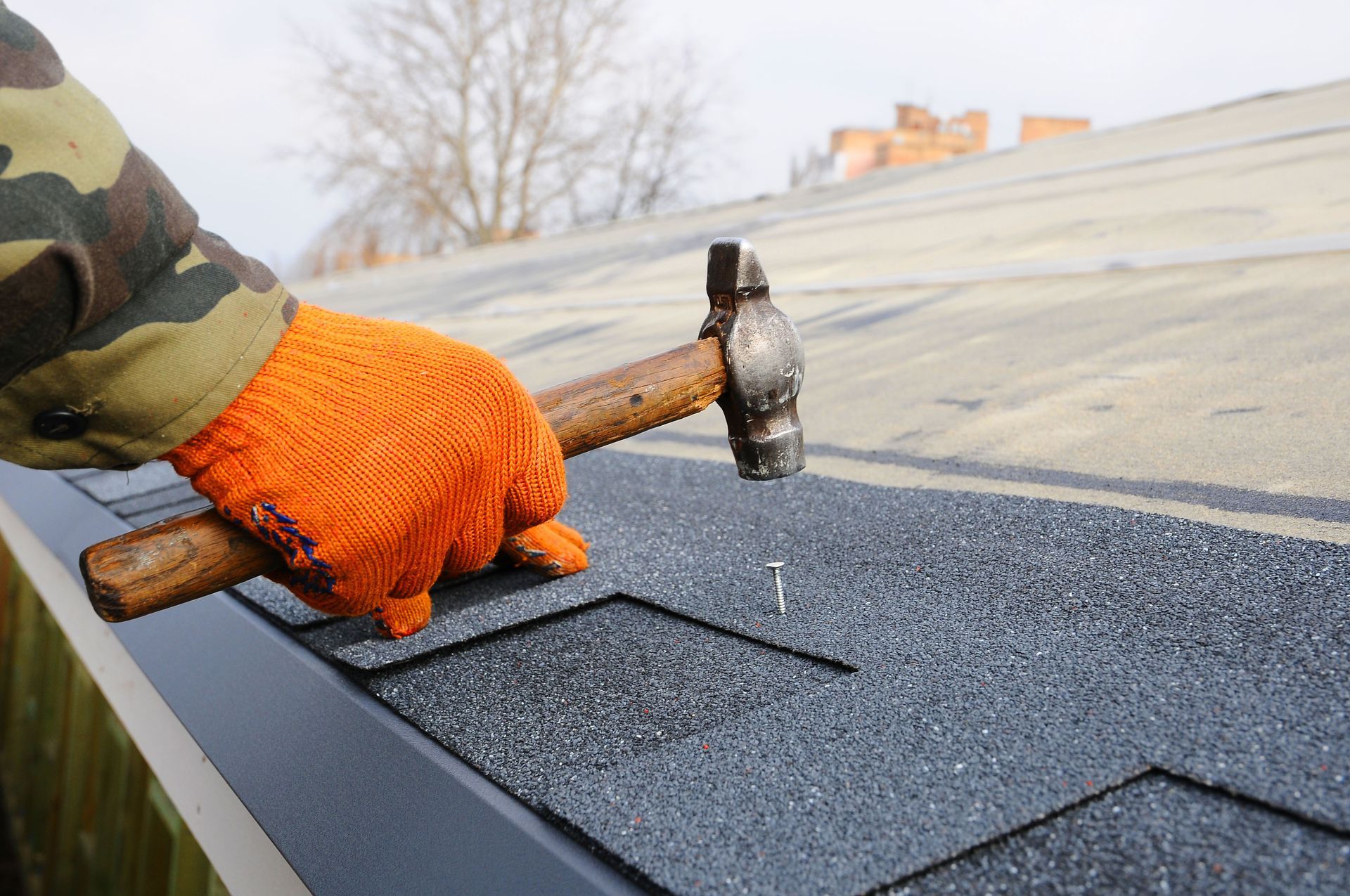
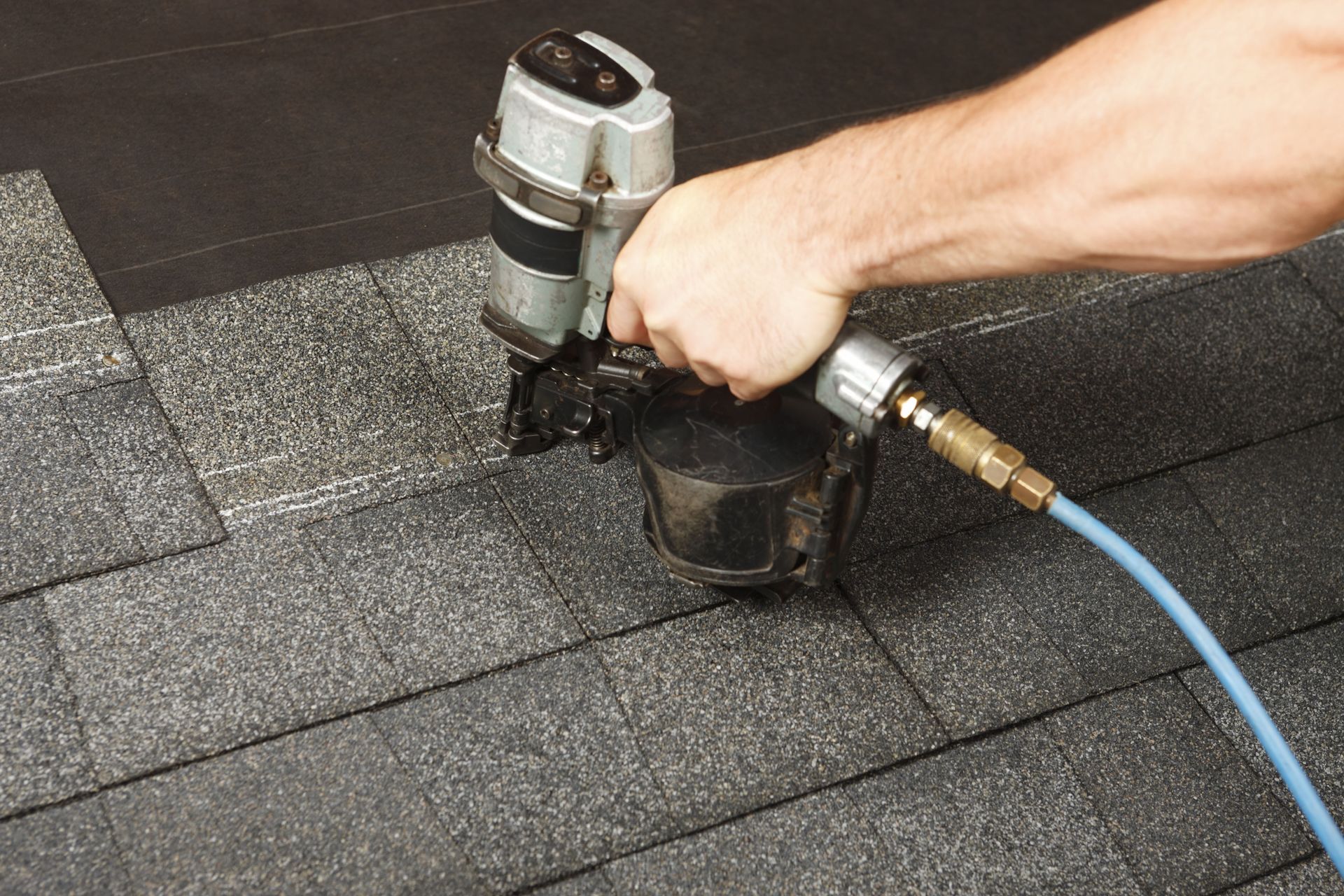
Proper installation is the most important factor influencing the long-term performance of asphalt shingle roofing services. Before any work begins, the roof structure should be evaluated for slope, ventilation, underlayment condition, and potential repairs. A staggered shingle pattern prevents moisture infiltration, while nails of proper size and placement prevent wind uplift. Leaving tolerance for thermal expansion reduces cracking or buckling, and proper ridge and hip installation supports clean water drainage. Common installation errors—such as misalignment, inadequate ventilation, poor fastening, and skipped underlayment—can dramatically reduce roof lifespan. Safety planning also matters. Contractors should use fall protection equipment, stabilize ladders, and secure the worksite. After installation, a thorough inspection ensures shingles are sealed, aligned, and ventilated correctly, providing confidence in long-term performance.
In addition to technical precision, clear communication between contractor and homeowner plays a major role in a successful roofing project. Before shingles are installed, both parties should review product options, warranty coverage, and expected timelines to eliminate uncertainty. Visual documentation—such as photos of decking, flashing, and ventilation updates—helps verify work quality and provides useful records for future maintenance or insurance claims. When homeowners understand each phase of the installation process, they are better prepared to protect their investment and address minor issues before they become costly problems.
Repair Focus and Material Selection
Even well-installed roofs eventually require asphalt shingle roofing services like repairs. Signs that repairs are needed include cracked or missing shingles, water stains inside the home, granule loss, or visible sagging. Leaks often occur around flashing or valleys, and immediate attention prevents structural rot or mold. Repairs should use shingles that match existing materials in type, color, and profile to maintain uniform appearance. Premium adhesives and compatible sealants improve durability, especially in harsh weather environments. A successful repair process involves identifying the damage, removing debris, replacing shingles securely, and testing for leaks. Preventive maintenance helps avoid major repairs: clearing gutters, trimming branches, and inspecting vulnerable areas after storms are simple habits that extend roof life and reduce long-term expense.
Homeowners can further protect their roofs by scheduling periodic professional inspections, even when no obvious damage is present. A trained roofer can spot subtle issues such as early blistering, compromised flashing, or ventilation imbalance—problems that may not yet be visible from the ground. Routine evaluations every one to two years help detect wear before it worsens, supporting greater energy efficiency and improved weather resistance. Investing in small repairs early prevents the need for premature roofing replacement and contributes to a longer, safer roof lifespan.
When Replacement Becomes Necessary
Replacement becomes the better option when damage is extensive or when the roof approaches the end of its lifespan—typically 20 to 25 years depending on climate and shingle quality. Frequent leaks, curling, widespread granule loss, or chronic patching indicate that repairs are only a temporary fix. Although replacement requires a higher upfront cost, it eliminates ongoing repair expenses, improves energy efficiency, and enhances curb appeal. Selecting new shingles should involve evaluating budget, climate suitability, desired appearance, and product warranties. Removal and disposal of old roof layers should be done carefully to avoid decking damage. In many communities, shingles can be recycled into paving material, reducing landfill waste and disposal fees. A well-planned shingle replacement combined with high-quality materials and professional installation leads to longer-lasting performance and fewer maintenance concerns.
Maintenance and Inspections
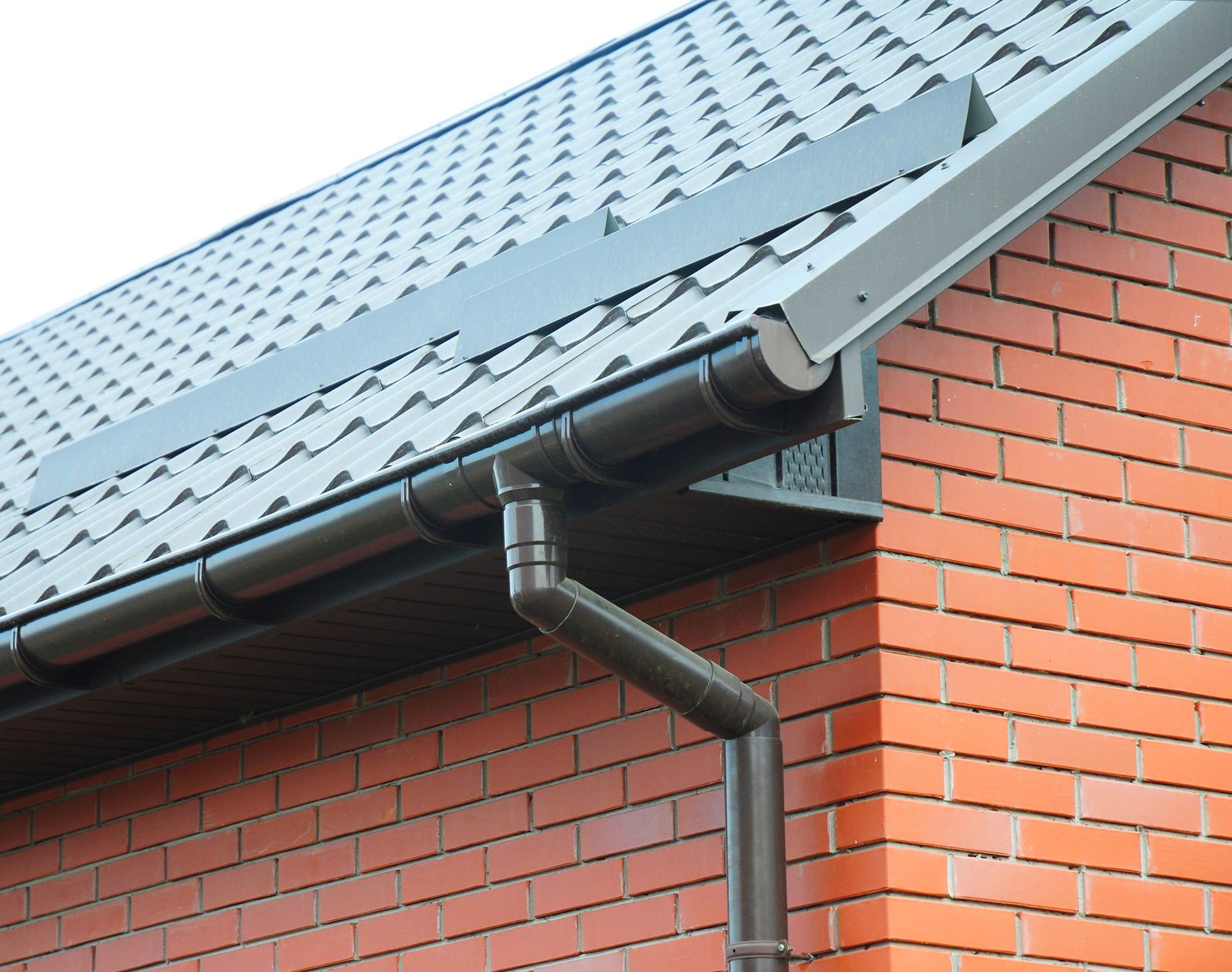
One of the most overlooked asphalt shingle roofing services is annual maintenance. Scheduled inspections reveal minor deterioration before it becomes major damage. At least once per year—and before and after harsh weather seasons—homeowners should inspect shingles, flashing, and sealant edges. Cleaning gutters prevents overflow and shingle breakdown, and replacing damaged shingles maintains moisture resistance. Early detection matters. Checking the attic for damp insulation or mold growth helps catch leaks before they spread. Watching for granule shedding or sun-faded patches signals aging and potential material fatigue. According to Home Innovation Research Labs, more than 80% of U.S. re-roofing projects use asphalt shingles, highlighting the importance of proactive care and long-term maintenance. Homeowners may choose DIY for minor cleaning, but professional inspections provide deeper insight and ensure repairs meet industry standards. Seasonal tasks—fall gutter clearing, winter leak checks, spring storm inspection, and summer heat assessment—keep roofing dependable year-round.
Ensuring Quality and Choosing a Contractor
The final and most critical step in securing reliable asphalt shingle roofing services is selecting the right contractor. A qualified roofer should hold licensing, insurance, and certifications proving they meet industry regulations and safety requirements. Homeowners should request references, photos of recent work, and customer feedback to evaluate craftsmanship. Reviewing warranties clarifies what is covered under materials versus labor and helps prevent future disputes. A written contract should outline pricing, schedule, itemized materials, and payment terms. Milestone-based payment prevents financial risk and ensures transparency. Hiring established roofing professionals ensures that installation, repairs, or replacement are completed according to technical standards while maintaining warranty validity and long-term roof durability.
Understanding asphalt shingles, recognizing signs of wear, and selecting experienced professionals are the best ways to ensure reliable asphalt shingle roofing services over the lifetime of a home. Proper installation, scheduled inspections, and careful contractor selection help homeowners protect their investment and avoid unnecessary repairs. To schedule inspections, discuss installation, or receive expert support for asphalt shingle roofing services, contact Western Construction & Roofing—your trusted local roofing specialists ready to help you extend roof performance, maintain value, and ensure lasting protection for your home.

Share On: